Despite what many people think, a general dentist wants to see strong, healthy teeth when patients come into the office. Dentists are, in fact, the most prominent champions of clean and cavity-free teeth; they work to educate patients and community members about proper oral care techniques and cleaning practices. With the right level of care, patients can maintain healthy teeth, avoid cavities and gum disease, and preserve overall health. However, many people are still unsure about what, exactly, they should be doing at home between professional cleanings.
5 dental care tips a general dentist wants patients to follow
Proper dental cleaning is not difficult to achieve. The following tips from general dentists are designed to help patients maintain clean healthy teeth with minimal effort.
1. Use the right type of toothbrush
Not all toothbrushes are built the same. The right one for each person largely depends on overall dental health and the condition of teeth and gums. Keep in mind that soft bristles are sufficient to remove plaque and buildup. Small or angled brush heads help patients reach into the very back to get molars and wisdom teeth, and electric toothbrushes can encourage less pressure during the brushing process.
2. Watch teeth get cleaner
There is no need to scour teeth during brushing. Instead, patients should brush gently and watch the progress in a mirror to see bits of food getting removed to ensure that each tooth gets thoroughly cleaned and none get overlooked. Dental floss or a water pick device can be used to remove stubborn pieces stuck between teeth.
3. Drink water after eating
While brushing after every meal and snack is the ideal, it is not always possible. For times when getting to a toothbrush is not an option, rinsing with plain water can be an effective cleaning strategy. It washes food particles, sugars, and acids from tooth surfaces, which helps preserve enamel and stop decay. Chewing sugarfree gum is another option that works for many patients. The gum picks up stray particles while stimulating saliva production to wash surfaces clean.
4. Clean soft tissue, too
Oral health is about more than just keeping teeth clean. There are plenty of soft tissue surfaces that need attention, too. Regular tongue brushing with a specially designed brush or pad removes potentially harmful bacteria and helps freshen breath. Using fluoride toothpaste and a therapeutic mouthwash can help minimize gum disease and discomfort between visits to the general dentist.
5. Make flossing a habit
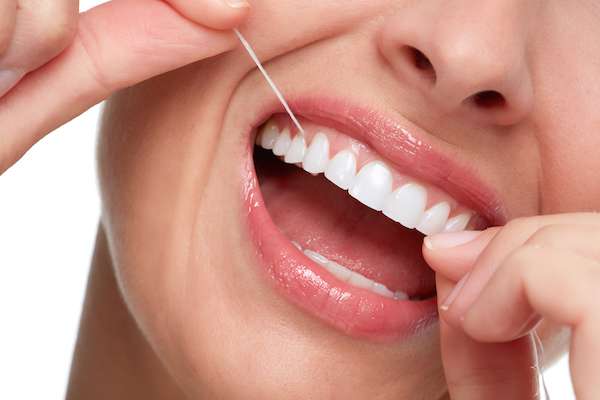
The spaces between teeth can harbor bits of food, plaque, and bacteria that cause decay and gum disease. Unfortunately, these spaces are difficult to reach through regular brushing, which is why flossing is such a crucial part of daily oral care. In addition to standard floss, pre-loaded floss picks and interdental brushes can help with this task that should be done every day.
Conclusion
Practicing proper oral care between dental appointments makes professional cleanings easier for everyone. Asking the general dentist questions during an exam is a great way to learn what type of care you should perform.
Request an appointment or call Sunset Dental at 505-295-4050 for an appointment in our Albuquerque office.
Related Posts
General dentists provide essential care to support oral health at every age, including well into adulthood and throughout the golden years. The goal is to help keep the smile in good shape so that it stays healthy, comfortable, and functional. Dental professionals can also address age-related oral health concerns, keeping you on track for a…
General dentistry is responsible for addressing all routine things relating to the teeth, including damage that occurs. Teeth become damaged as a result of many things, such as injury, accidents, natural wear and tear, or cavities. Whatever the reasoning may be for a damaged tooth, there are a lot of treatment options available in general…
The types of cavity treatments fall into two different categories. Those categories are direct and indirect restorations. Direct forms of cavity treatment include things like fillings made from composite resin and amalgam. Indirect forms are crowns or onlay restorations. Direct restoration can be completed without the need for work to be done with a dental laboratory.…